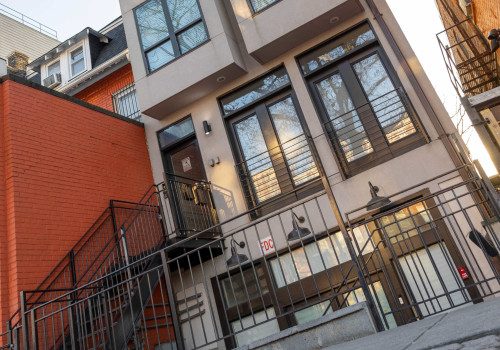
For real estate investors who manage condominium units, turnovers are a routine but important part of maintaining a profitable property. A condominium turnover occurs when one resident moves out and the unit must be prepared for a new occupant. Smart investors recognize that the time between tenants is critical, as minimizing vacancy helps maintain consistent rental income. The turnover period involves more than simply cleaning the space—it often requires careful planning, property inspections, and updates that ensure the unit remains competitive in the rental market. By approaching turnovers strategically, investors can maintain property value while creating a welcoming environment for incoming residents.
Inspecting and Refreshing the Unit
The first step most investors take during a condominium turnover is conducting a detailed inspection of the property. This inspection helps identify maintenance issues such as worn flooring, chipped paint, faulty appliances, or plumbing concerns that may have developed during the previous tenancy. Addressing these issues quickly ensures that the next resident receives a well-maintained living space. Many investors also take the opportunity to make cosmetic improvements, such as repainting walls, replacing outdated fixtures, or upgrading lighting. Even small updates can significantly improve the appeal of the unit when it is listed for rent again. These improvements help the property stand out to prospective tenants who may be comparing multiple options in the same building or neighborhood.
Preparing the Property for Marketing
Once repairs and updates are complete, investors focus on preparing the condominium for marketing. This typically includes professional cleaning, staging certain rooms, and capturing high-quality photographs for online listings. Because many renters begin their search online, the visual presentation of the property is extremely important. Clear photos and detailed descriptions help potential residents imagine how the space will function as their new home. Investors often coordinate showings or virtual tours to attract interested renters, ensuring that the unit is presented in the best possible condition. Effective marketing strategies help shorten the vacancy period and allow investors to secure reliable tenants more quickly.
Coordinating Resident Move-Out and Move-In Logistics
An important part of managing condominium turnovers involves coordinating the logistics of both the outgoing and incoming residents. Move-out dates must align with cleaning and repair schedules, while move-in timelines must be arranged to minimize disruptions within the building. Condominium associations often have specific rules regarding elevator usage, parking access, and designated moving hours. Investors and property managers communicate these guidelines clearly to residents to ensure the process runs smoothly. During this stage, tenants often arrange their own relocation services, sometimes researching options such as a moving company in Round Rock TX to assist with transporting their belongings efficiently. Clear communication about building procedures helps prevent scheduling conflicts and ensures a smooth transition between residents.
Maintaining Long-Term Property Value
Smart investors understand that successful condominium turnovers contribute directly to long-term property performance. A well-managed turnover not only keeps vacancy periods short but also reinforces the reputation of the property as a well-maintained place to live. When units are clean, updated, and ready for occupancy, incoming residents feel confident about their choice of housing. Over time, this level of attention helps attract responsible tenants who are more likely to take care of the property and renew their leases. By focusing on efficient turnovers, strategic updates, and well-organized move coordination, condominium investors create a system that supports both tenant satisfaction and long-term investment success.